
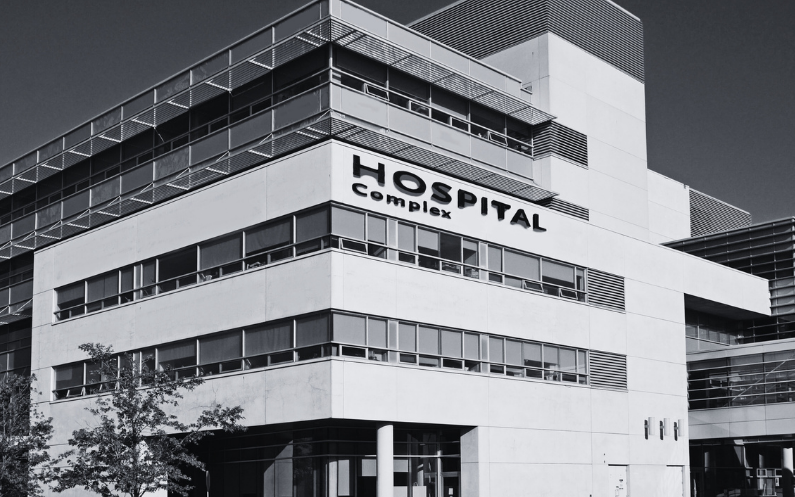
Healthcare construction is not just another commercial building project. The difference between hiring a general contractor and partnering with a specialized healthcare construction company can determine whether your facility simply meets minimum standards or truly excels at serving patients, supporting medical staff, and advancing your community’s health for decades. From stringent regulatory compliance to working in occupied facilities where patient care cannot be interrupted, healthcare projects demand a unique combination of technical expertise, strategic planning, and a genuine understanding of clinical environments.
This comprehensive guide explores why healthcare construction experience matters and what sets specialized contractors apart from general commercial builders. Learn about the unique challenges of healthcare facility construction, the technical complexities that demand specialized knowledge, the costly consequences of inexperience, and the tangible advantages that experienced healthcare contractors bring to your project. Read more to discover how the right partner can transform your vision into a facility that truly serves your mission.
Full Article
When it comes to building healthcare facilities, not all commercial contractors are created equal. The difference between a general contractor and a specialized healthcare construction partner can mean the difference between a project that merely meets basic requirements and one that truly serves patients, staff, and communities for decades to come.
At Beeler Construction, we’ve witnessed firsthand how healthcare construction demands a unique blend of technical expertise, regulatory knowledge, and genuine care for the people who will ultimately use these spaces. Since 1986, our family-owned company has been building more than structures. We have been creating environments where healing happens, where medical professionals can work efficiently, and where communities can access the care they deserve.
The Unique Challenges of Healthcare Construction
Healthcare construction stands apart from other commercial building projects in nearly every aspect. While constructing a retail space or office building certainly requires skill and precision, healthcare facilities operate under an entirely different set of demands and constraints.
Stringent Regulatory Compliance
Healthcare facilities must comply with an extensive array of regulations that govern everything from fire safety to infection control. The standards created by the Facility Guidelines Institute (FGI) provide national benchmarks for design and construction, defining specific requirements for clinical room sizes, airflow patterns, patient privacy measures, and medical gas systems. Many states have incorporated these guidelines directly into their health facility codes, making compliance not just best practice but legally mandatory.
Beyond FGI standards, healthcare contractors must navigate regulations from multiple agencies, including OSHA for staff safety, ADA for accessibility requirements, and NFPA 101 Life Safety Code for fire protection. Each regulation carries significant weight, and failure to comply can result in costly rework, delayed openings, or worse, compromised patient safety.
Working in Occupied Facilities
Unlike new construction on vacant land, many healthcare projects involve renovations or expansions of actively operating facilities. Patients cannot simply be relocated while construction takes place. Care must continue uninterrupted. This reality creates challenges that demand careful planning, precise execution, and constant communication.
Specialized healthcare contractors develop detailed phasing plans that allow construction to progress without disrupting critical services. They often schedule noisy activities during off-peak hours, create soundproof barriers to protect patient rest, coordinate with hospital staff to ensure emergency access routes remain clear, and maintain meticulous cleanliness standards that prevent construction debris from entering patient care areas.
This level of coordination requires more than construction expertise. It demands an understanding of healthcare operations, clinical workflows, and the daily rhythms of medical facilities.
The Technical Complexity Behind Healthcare Facilities
Beyond regulatory compliance, healthcare buildings incorporate technical systems that are far more complex than typical commercial structures.
Advanced MEP Systems
Mechanical, electrical, and plumbing systems in healthcare facilities often account for thirty-five to fifty percent of total construction costs, roughly double that of conventional commercial buildings. These systems must support sophisticated medical equipment, maintain precise environmental conditions, and provide redundancy to ensure continuous operation even during equipment failures.
Medical gas systems deliver oxygen, nitrous oxide, and medical air throughout facilities with exacting pressure requirements and extensive safety features. HVAC systems must maintain specific temperature and humidity ranges while providing multiple air changes per hour and utilizing HEPA filtration in sensitive areas. Electrical systems need to accommodate high-power medical equipment, provide emergency backup power, and support increasingly complex technology infrastructure.
Installing these systems requires specialized knowledge of healthcare standards, equipment specifications, and how various systems interact. A contractor experienced in healthcare construction understands that a seemingly minor design decision, like the placement of a nurse call station, can significantly impact both construction sequencing and long-term operational efficiency.
Adaptability and Future Proofing
Medical technology evolves rapidly. A healthcare facility designed only for today’s needs becomes obsolete surprisingly quickly. Experienced healthcare contractors help clients think strategically about future adaptability that can evolve as medical practices advance.
This forward-thinking approach means designing electrical systems with additional capacity for future equipment, creating structural supports that allow for future renovations without major demolition, and positioning mechanical systems to facilitate expansion. While these considerations may add modest upfront costs, they deliver substantial long-term value by extending the facility’s useful life and reducing future renovation expenses.
What Experience Brings to Your Project
When you partner with a contractor experienced in healthcare construction, you gain advantages that extend far beyond basic building skills.
Established Relationships with Specialized Subcontractors
Healthcare projects require subcontractors with specific certifications and experience. Medical gas installers, for instance, must hold specialized licenses and understand the unique safety requirements of clinical gas systems. Experienced healthcare contractors maintain networks of trusted specialists who understand healthcare standards and can deliver quality work on schedule.
These relationships prove invaluable when projects face tight timelines or unexpected challenges. Having worked together on previous healthcare projects, the entire team operates more efficiently, communicates more effectively, and resolves issues more quickly.
Proactive Problem-Solving
Experience teaches contractors to anticipate problems before they materialize. A seasoned healthcare construction team recognizes potential conflicts during the planning phase.
By identifying and addressing these issues early, experienced contractors save clients time and money while ensuring better outcomes. This proactive approach stems from having encountered similar situations on previous projects and understanding how decisions made today impact construction execution and long-term facility operations.
Understanding Clinical Workflows
Effective healthcare facility design requires understanding how medical professionals work. Where should nurse stations be positioned to provide optimal visibility? How do supply storage locations impact staff efficiency? What traffic patterns minimize congestion while maintaining infection control protocols?
Contractors with healthcare experience bring insights about clinical workflows that inform practical design decisions. They’ve observed what works well in existing facilities and what creates frustrations for staff. This knowledge helps create spaces that truly support healthcare delivery rather than merely meeting basic specifications.
Minimizing Disruption
When working in occupied facilities, minimizing disruption requires more than good intentions. It demands specific expertise. Experienced healthcare contractors understand how to coordinate construction activities with facility operations, maintain safe and clean environments adjacent to active patient care areas, and respond quickly when unexpected situations arise.
They develop relationships with facility staff, attend regular coordination meetings to address concerns, and maintain 24/7 communication channels so that urgent issues receive immediate attention. This level of engagement demonstrates respect for healthcare providers and commitment to protecting patient care.
The Value of Partnerships Built on Trust
At Beeler Construction, our family-owned heritage shapes how we approach every project. We believe in building lasting relationships, not just buildings. When you work with us on a healthcare facility, you’re partnering with a team that genuinely cares about your success and the communities your facility will serve.
For the last 40 years, we’ve earned our reputation by delivering projects that exceed expectations while maintaining the personal touch. We understand that healthcare construction represents a significant investment. Financially, certainly, but also in terms of your organization’s ability to serve patients and fulfill your mission.
Conclusion
Healthcare construction is not simply construction that happens to take place in a medical setting. It represents a distinct discipline that requires specialized knowledge, rigorous training, and a deep commitment to patient safety. The complexity of regulatory requirements, the critical importance of infection control, the technical sophistication of building systems, and the unique challenges of working in occupied facilities all demand contractors with proven healthcare experience.
When you choose a construction partner for your healthcare project, you’re not just selecting someone to erect walls and install systems. You’re choosing a partner who will help you create an environment where patients heal, where medical professionals can deliver their best care, and where your community’s health needs will be met for generations to come.
At Beeler Construction, we’ve spent four decades building that expertise, and we bring it to every healthcare project we undertake. Because when it comes to healthcare construction, experience makes all the difference.
Citations
- GP Inc. (2024, June 14). “The Role of Certified Contractors in Healthcare Facility Construction.” https://gp-inc.com/the-role-of-certified-contractors-in-healthcare-facility-construction/
- Connor Construction. (2023, August 9). “What Makes Healthcare Construction Unique.” https://connorconstructionllc.com/what-makes-healthcare-construction-unique-the-ins-and-outs/
- RWE Design Build. (2025, August 12). “Medical Office Contractors & Design-Build.” https://rwedesignbuild.com/medical-office/
- SR Construction. (2024, January 24). “Healthcare General Contractors.” https://srbuilt-usa.com/healthcare-general-contractors/
- American Society for Healthcare Engineering. “ASHE ICRA 2.0 Toolkit.” https://www.ashe.org/icra2
- CPWR – The Center for Construction Research and Training. (2025, August 18). “Infection Control Risk Assessment (ICRA).” https://www.cpwr.com/training/training-programs/infection-control-risk-assessment-icra/
- Construction Infection Control Training Institute. (2023, October 31). “CICTI Certification Programs.” https://www.cicti.org/
- Mastt. “Healthcare Construction: Key Trends, Delivery, and Getting It Right.” https://www.mastt.com/guide/healthcare-construction
- Medical Construction Group. (2025, September 1). “Smart Healthcare Facility Construction Guide.” https://medicalconstructiongroup.com/healthcare-facility-construction-guide-costs-compliance-and-design-tips/
- HEPACART. (2024, June 12). “Hospital Construction: Seeing Beyond the Obvious Costs.” https://www.hepacart.com/blog/hospital-construction-seeing-beyond-the-obvious-costs
- CIC Construction Group. (2025, January 21). “Healthcare Construction Excellence.” https://cicconstruction.com/blog/healthcare-construction-excellence-building-the-future-of-patient-care/
- Colliers Knowledge Leader. (2025, September 25). “Rising Healthcare Construction Costs and Their Impact.” https://knowledge-leader.colliers.com/josh-randolph/rising-healthcare-construction-costs-and-their-impact-on-landlords-and-tenants/
- VDBG. (2024, July 1). “Healthcare Construction Challenges and Solutions Explained.” https://vdbg.com/blog/healthcare-construction-challenges-and-solutions-explained/
- Gidelko Cal. (2025, October 27). “Healthcare Construction Compliance.” https://gidelkocal.com/services/healthcare-construction/
- Medical Construction Group. (2024, September 9). “Cost-Efficiency & Quality: Balancing Budgets in Medical Construction.” https://medicalconstructiongroup.com/cost-efficiency-and-quality-balancing-budgets-in-medical-construction/